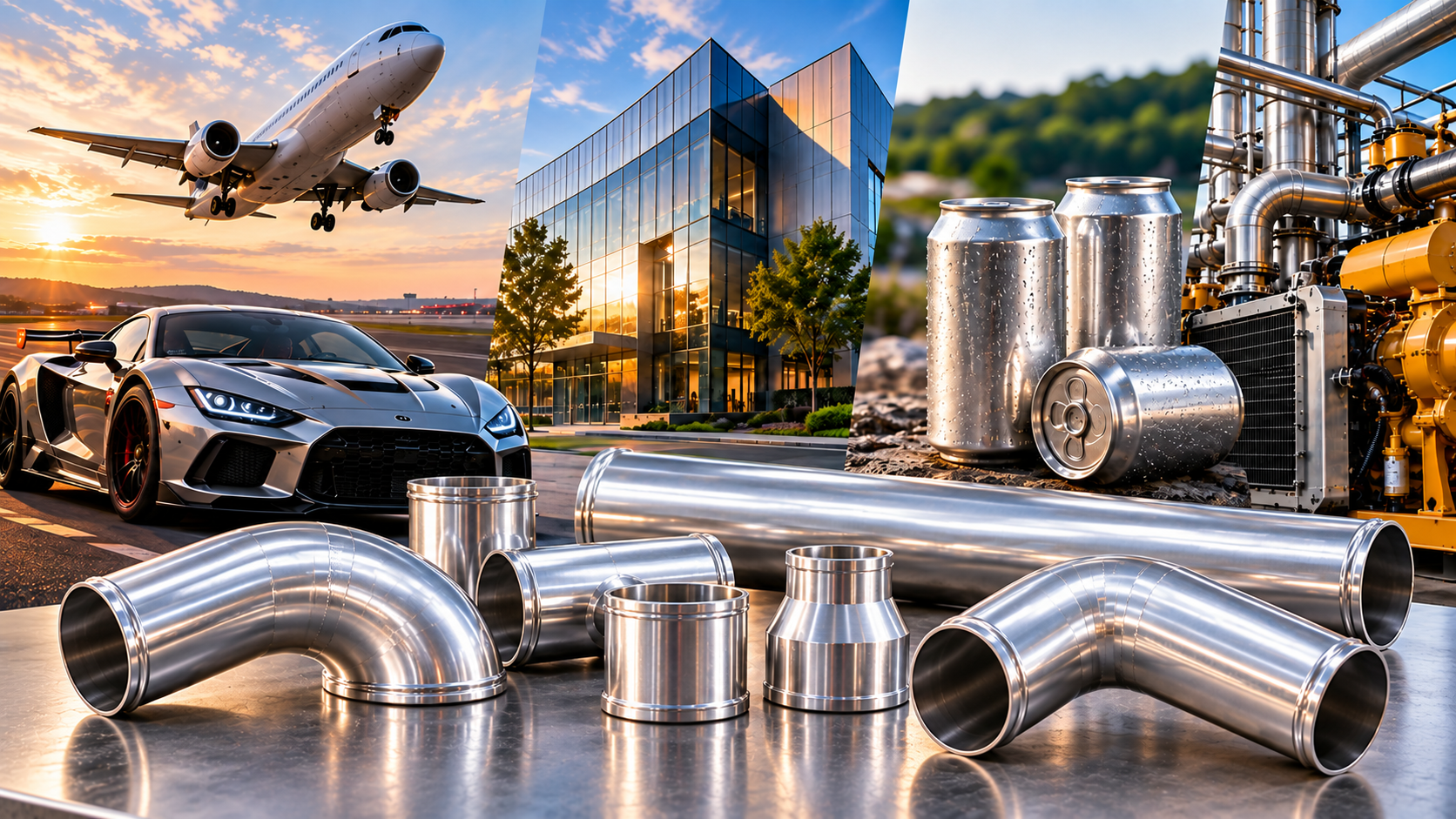
Aluminium is everywhere: in aircraft, cars, buildings, drinks cans and thousands of engineering components. Yet during the nineteenth century, this familiar metal was so difficult to produce that it could be more valuable than gold. How did a rare luxury become a workshop essential, and why is aluminium now such a popular choice for custom pipework?
When aluminium was a luxury
Aluminium is abundant in the Earth’s crust, but it is usually chemically bound to other elements. Unlike gold, it does not normally occur in convenient metallic nuggets. In 1825, Danish scientist Hans Christian Ørsted made an early breakthrough in isolating aluminium, but producing useful quantities remained difficult and costly. At the 1855 Paris Exposition, aluminium was displayed as a remarkable achievement of science.
The breakthrough that changed everything
In 1886, Charles Martin Hall in the United States and Paul Héroult in France independently developed an electrolytic method of producing aluminium. The Hall–Héroult process transformed commercial production. As electricity and manufacturing capacity became more widely available, aluminium moved from scientific curiosity to industrial material.
Why engineers value aluminium
Aluminium has a density of around 2.7g/cm³, compared with approximately 7.8g/cm³ for steel. That means it is roughly one-third as dense, although the best material for a component still depends on its strength requirements and design. Aluminium also develops a protective oxide layer, offers good thermal conductivity and can be formed, machined and welded using appropriate methods.
From aircraft to performance cars
Aircraft manufacturers recognised the advantages of suitable lightweight aluminium alloys. Automotive engineers followed, using aluminium for engine components, wheels, body panels and other parts where its properties made sense. In motorsport, reducing weight can improve efficiency and performance, but component design and reliability remain just as important.
Why aluminium pipes appear in modified engine bays
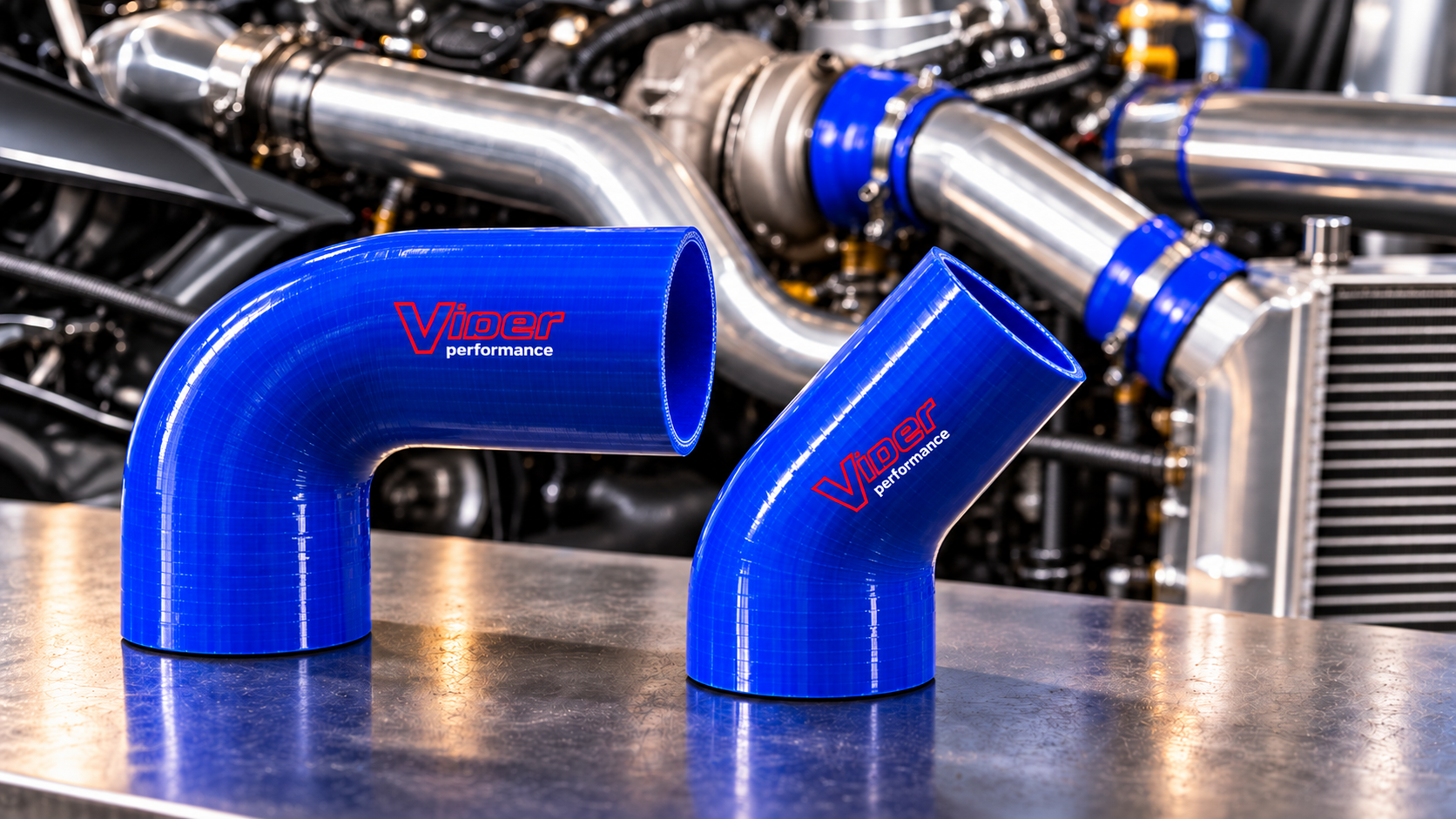
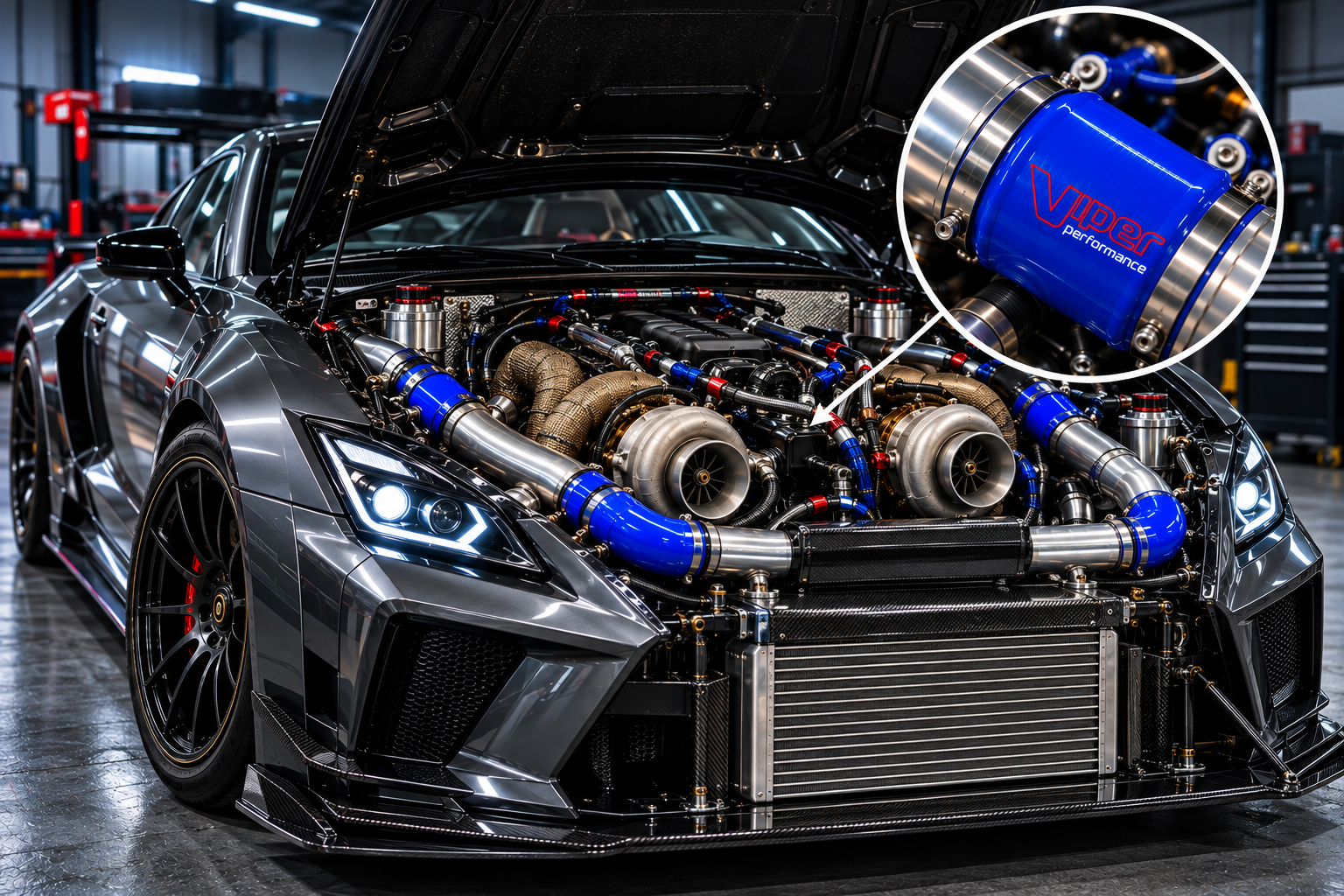
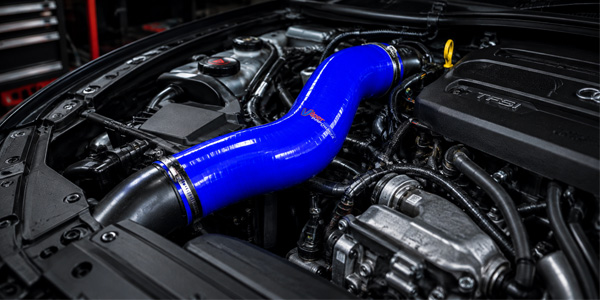
Lift the bonnet of a turbocharged performance car and you may see polished aluminium pipes connecting the turbocharger, intercooler and intake. The shiny finish attracts attention, but the engineering benefits are more important: low weight, corrosion resistance and the ability to fabricate routes through crowded spaces. Rigid pipe sections can be connected with suitable silicone hoses to accommodate movement and assembly tolerances.
Bends, joiners and getting the fit right
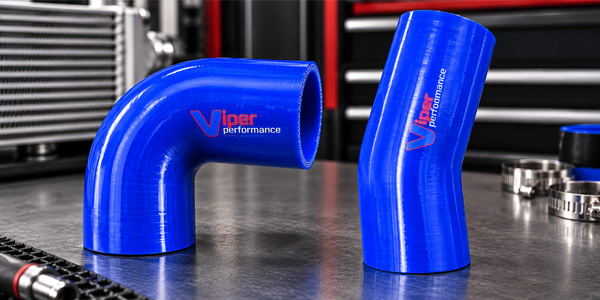
Straight tubes cover distance; mandrel bends change direction while maintaining a more consistent cross-section than a poorly formed bend. Reducers connect different diameters where the design requires it, and specialist fittings can accommodate sensors or branches. Bead-rolled ends provide a raised feature to help retain correctly installed silicone hose and clamps, particularly in pressurised systems. Diameter, wall thickness, bend geometry and support should all be considered during design.
A material with a future
Aluminium can be recycled repeatedly, and recycling generally requires much less energy than producing primary metal from ore. The overall environmental impact still depends on energy sources, processing and transport. As manufacturers pursue efficient designs, aluminium remains important across transport and industry.
Aluminium pipework for your next project
From a once-precious novelty to a core engineering material, aluminium has had an extraordinary journey. Viper Performance supplies aluminium pipes and tubes, including straight sections, bends and joining components for suitable custom installations. Explore the range alongside silicone hoses when planning your next pipework project.